
Home Organization
Seasonal Wardrobe Rotation: A System That Actually Works
Learn how to swap your winter and summer clothes without creating chaos. Includes storage tips for small British homes and a simple labeling system.
Why Rotation Works (And Why You've Probably Failed Before)
Most people think seasonal rotation means stuffing everything into the attic in October. It's not. That's how clothes get crushed, forgotten, and unwearable come spring.
We're talking about a system that's simple enough to maintain year-round. One that doesn't require you to rent storage space or turn your bedroom into a warehouse. And honestly? It takes about 3 hours to set up properly.
The difference is this: you're not storing clothes randomly. You're organizing them logically with a clear labeling system, using storage that actually fits in a typical British home, and keeping your most-worn pieces accessible.
The Core Idea
Rotate what's accessible. Store what you won't wear. Label everything. Check it quarterly.
Step 1: Sort Everything Into Four Groups
Start by pulling out every single item. Yes, all of it. This takes time but you'll only do it once properly.
Create four piles: Winter-Only, Summer-Only, All-Season, and Donate. Winter-only includes heavy coats, thick jumpers, and thermal layers. Summer-only covers lightweight dresses, linen shirts, and shorts. All-season items are jeans, white t-shirts, blazers, and anything you wear year-round.
That donate pile? Don't overthink it. If you haven't worn it in two years, it's gone. If it doesn't fit and hasn't fit for 18 months, it's gone. Be honest here — this is where rotation actually becomes manageable.
Pro tip:
All-season items should be about 60% of your wardrobe. If it's
less than that, you don't have enough basics to mix with
seasonal pieces.

Step 2: Get the Right Storage (Seriously, This Matters)
Don't use bin bags. They crush fabric, encourage you not to look inside, and you'll forget what's actually in there by March.
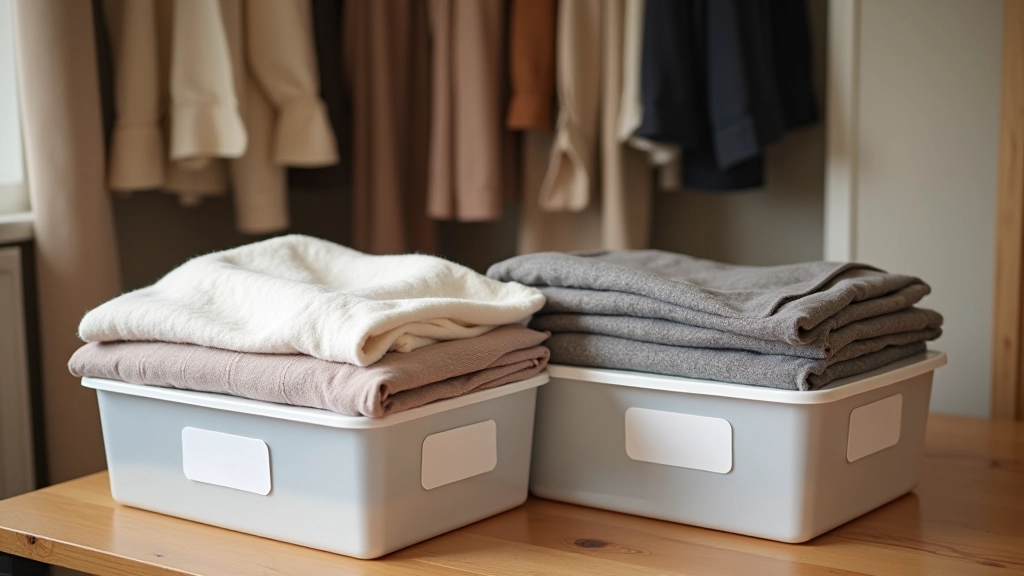
Invest in clear plastic storage boxes — the type you can see through. Argos, Dunelm, and The Range all stock them. For a typical person's seasonal wardrobe, you'll need about 2-3 large boxes (55-litre capacity) per season. Cost? Around £30-50 for a decent set.
For terraced houses with limited space, consider under-bed storage or a spare wardrobe in a bedroom cupboard. If you've got loft access, use sturdy plastic boxes and keep them on a shelf — not loose on the floor where moisture can get trapped.
Cedar blocks or lavender sachets go inside the boxes. Not only do they protect from moths, they make everything smell fresh when you open the box in six months.

Related Articles


Step 3: The Labeling System That Actually Works
Here's where most people fail. They label boxes with vague things like "winter clothes" or "summer bits." Then they open three different boxes before finding what they need.
Instead, label boxes by category and season. Write clearly: "Winter Jumpers & Layers," "Summer Dresses," "Winter Coats," "Summer Shorts & Trousers." Use a permanent marker on white label tape — it's visible and won't fade in storage.
Keep a simple spreadsheet on your phone or in a notebook. It takes 10 minutes to write down what's in each box. Include the box number, contents, and storage location. You'll never need to open a box to remember what's in it.
3
months rotation cycle
60%
all-season wardrobe
10
minutes setup time per box

Step 4: Rotation Day (It's Easier Than You Think)
Pick a weekend in late March and late September. Set aside 2-3 hours. This is genuinely all you need.
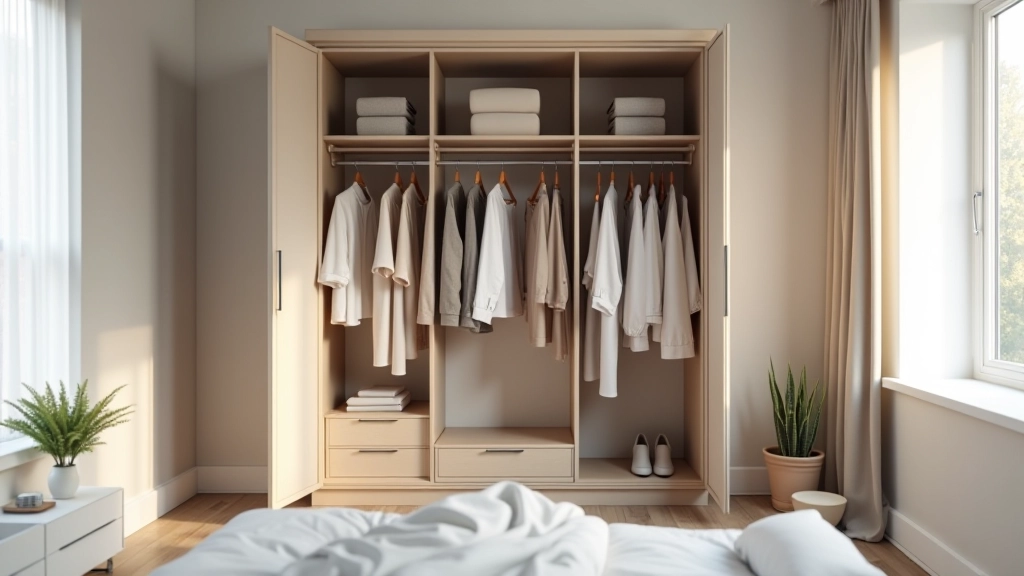
Remove the current season's boxes from storage. Take everything out of your wardrobe that you won't wear for the next three months. Fold it carefully, put it in the appropriate storage box, and seal it up. Then unpack the incoming season's boxes into your wardrobe.
Don't just throw everything back in. Take five minutes to rehang or refold. You'll notice what you actually reached for last season and what you ignored completely. That's valuable information for next year.
The beauty of this system? You're only handling each piece twice a year. No constant reorganizing. No "I forgot I had this" moments in June.
About This Guide
This article provides educational information about wardrobe organization systems. Results and storage requirements vary depending on your personal wardrobe size, living space, and climate. Storage recommendations are based on typical UK homes and may need adjustment for your specific circumstances. Always ensure storage areas are clean and dry to protect clothing from damage.
The Real Benefit? Peace of Mind
You're not managing chaos anymore. You know exactly what you own, where it is, and when you'll wear it again. That's worth the three hours of setup.
After a month of using this system, most people notice they stop buying duplicate items. They see what they actually have. They wear more of what they own. Their wardrobe costs less to maintain.
Start with Step 1 this weekend. Don't overthink it. The system works because it's simple and it actually fits in a real home with real space limitations.
Ready to Organize More of Your Home?
Explore more practical home organization strategies for British households.
Browse All Organization Guides